
Before you renovate, read this. The smartest investment may not be the one you expect.

One of the most common questions I hear from homeowners preparing to sell is, “Should we renovate before putting our house on the market, or sell it as-is?”
It's a great question, and one that deserves more than a simple yes or no.
Across the Silicon Valley Peninsula, particularly in communities like Los Altos, Los Altos Hills, Atherton, Woodside, and Portola Valley, homes often carry value well beyond their interior finishes. Location, land, architecture, privacy, and the potential to create something extraordinary can be just as important as a beautifully renovated kitchen.
I've spent years working with properties from both sides of the equation—as a renovator and real estate investor, and now as a luxury real estate advisor. That experience has shaped how I approach preparing a home for sale.
My philosophy is simple: The goal isn't to spend more. It's to invest where it matters most.
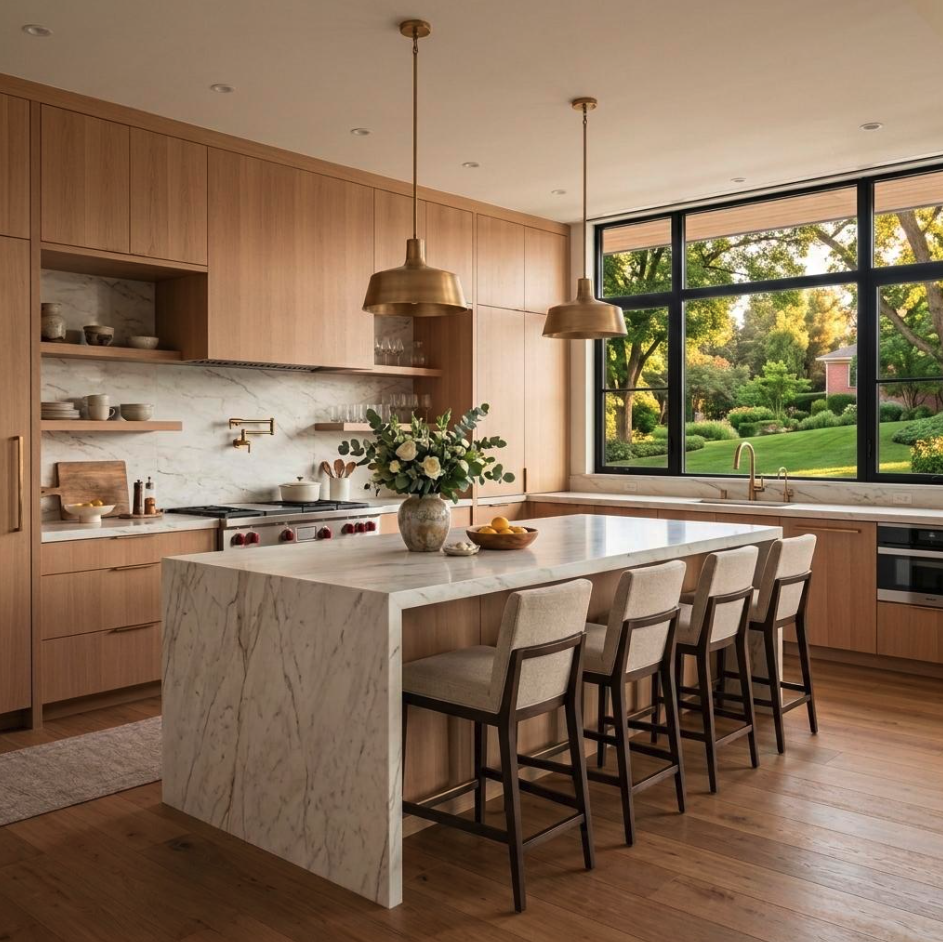
Not Every Renovation Creates Value
It's natural to assume that an updated home will command a higher sales price. And in many cases, it will.
But a higher selling price doesn't always translate into a greater return for the seller.
Consider a homeowner contemplating a significant kitchen renovation. Between design decisions, materials, contractors, permits, and unexpected expenses, the investment can quickly become substantial.
The real question isn't whether buyers will appreciate the new kitchen. It's whether the renovation will generate enough additional value to justify its cost, time, and effort.
Buyers also have their own preferences. What one homeowner considers a beautiful design choice may be something the next owner wants to replace.
This is particularly relevant in the Peninsula's higher-end markets, where many buyers have the financial flexibility to personalize a property to their own taste.
Renovating for personal enjoyment and renovating for resale are two very different investment decisions.

Where Should You Invest Before Selling?
Fortunately, preparing a home for sale doesn't always require an extensive renovation.
Some of the most effective improvements are relatively straightforward, especially when they address a buyer's first impression of the property.
Fresh interior paint, thoughtfully updated lighting, landscaping, minor repairs, and professional staging can dramatically change the way a home is experienced.
These improvements help buyers focus on the home's architecture, natural light, proportions, and lifestyle rather than the cosmetic details that need attention.
Outdoor presentation deserves particular consideration on the Peninsula. Mature trees, gardens, entertaining terraces, and indoor-outdoor living spaces are often defining characteristics of a property.
A well-maintained landscape and beautifully presented outdoor living area can reinforce the lifestyle buyers envision, without requiring a complete redesign.
I often encourage sellers to think of these improvements as strategic preparation rather than renovation.
The objective is to elevate the property's existing strengths, remove unnecessary distractions, and create an emotional connection with potential buyers.
When Is Selling As-Is the Better Choice?
There are circumstances where investing heavily in renovations before selling simply doesn't make financial sense.
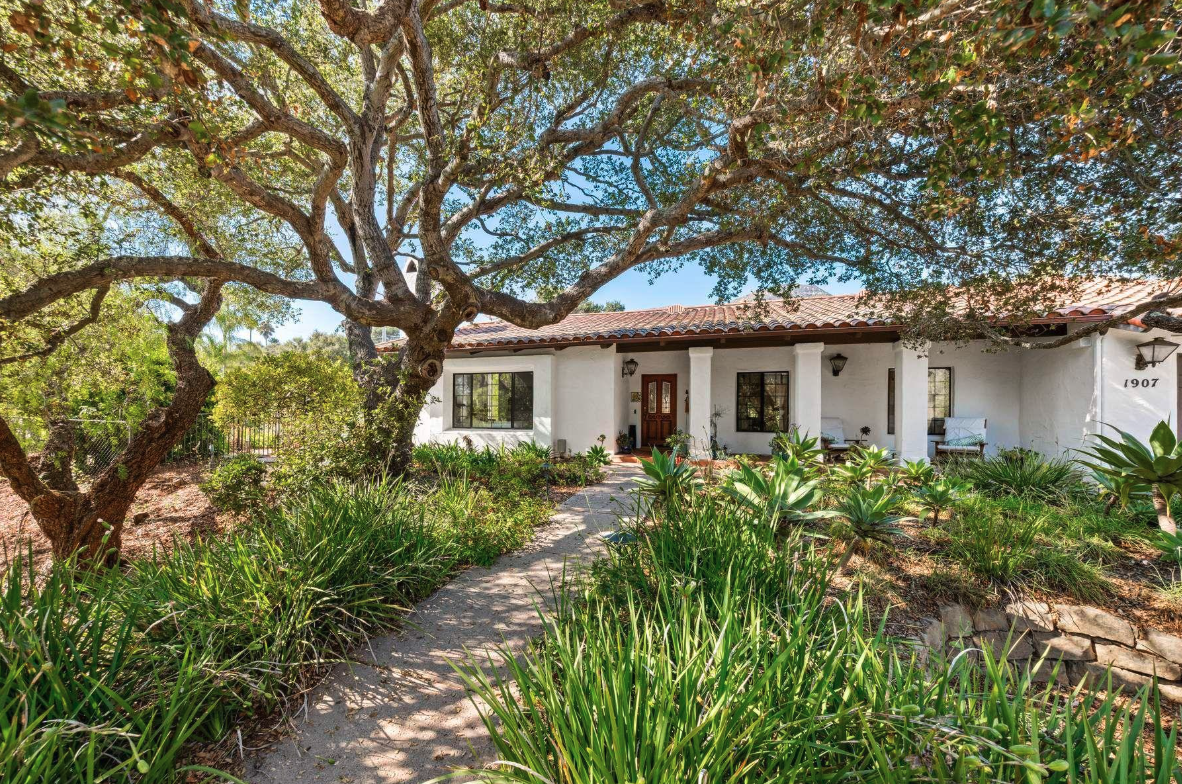
Consider a home situated on a generous parcel in Los Altos Hills or Woodside. Perhaps the interiors are dated, but the property offers privacy, mature landscaping, architectural character, or an exceptional setting.
For the right buyer, those qualities may be the primary reason for purchasing the home.
That buyer might envision a comprehensive renovation, an architectural transformation, or, where permitted, a completely new residence.
In this scenario, an expensive kitchen or bathroom remodel completed just before selling could offer limited value. The next owner may prefer to make those decisions themselves.
The same principle can apply to architecturally distinctive properties. Mid-century homes, custom residences, and houses with original design details may attract buyers who value authenticity and the opportunity to restore or reinterpret the space.
Sometimes the most compelling feature of a property is its potential—not its perfection.
Importantly, selling as-is doesn't mean neglecting presentation or avoiding required disclosures. A property can be clean, thoughtfully photographed, professionally marketed, and honestly represented while still being offered in its existing condition.
When Does a Larger Renovation Make Sense?
There are also situations where more extensive improvements can be worthwhile.
For example, a home competing against recently renovated properties in a neighborhood where buyers strongly favor move-in-ready living may benefit from targeted updates.
If the existing finishes create a significant disadvantage relative to comparable homes, a carefully planned renovation could improve the property's competitive position.
But the decision should be driven by the market, not by personal preference.
Before recommending a larger investment, I want to understand what buyers are actually paying for, how the property compares to competing listings, and whether the likely increase in sale price supports the total renovation budget.
Timing matters, too.
An extensive renovation can delay a sale by months, introduce construction uncertainty, and require a significant commitment of capital. Those costs and risks need to be considered alongside the potential upside.
A beautifully renovated home is not necessarily the most profitable outcome for its seller.

The Three Strategies I Consider Before Listing
Rather than automatically recommending renovations, I evaluate three possible approaches for each property.
1. Sell As-Is
Market the property in its existing condition, emphasizing its most valuable characteristics: location, land, architecture, lifestyle, and future potential.
This strategy may appeal to buyers who want a renovation project or who prefer to customize the property themselves.
2. Make Strategic Improvements
Focus on high-impact preparation such as painting, lighting, landscaping, repairs, decluttering, and staging.
For many homeowners, this approach offers a practical balance between presentation, cost, and preparation time.
3. Complete a More Extensive Renovation
Consider larger improvements when comparable sales, buyer expectations, and realistic project costs indicate a strong financial case.
The right strategy depends on the individual property, its likely buyer, and the seller's priorities.
How Do You Determine the Best Financial Outcome?
Before a homeowner commits to a renovation budget, I believe it's important to evaluate the property from the perspective of the market.
That starts with identifying the likely buyer.
Is this a home that will attract someone looking for an elegant, move-in-ready residence? Or is the land, location, and opportunity to create a custom home the bigger attraction?
Next, we look carefully at comparable properties—not simply their price per square foot, but their condition, design, lot characteristics, marketing, and overall buyer appeal.
From there, we can develop potential pricing scenarios for selling in the current condition versus completing selected improvements.
And finally, we consider the true cost of getting there.
Construction expenses, professional fees, staging, carrying costs, project management, potential delays, and the homeowner's own time all influence the financial outcome.
A higher sale price is only one part of the equation.
What ultimately matters is the net result—and whether the investment aligns with the seller's goals.
Every Home Has a Story. Every Sale Deserves a Strategy.
One of the things I love most about real estate on the Peninsula is that no two properties are exactly alike.

A beautifully maintained residence in Los Altos may benefit from a completely different preparation and marketing strategy than a secluded estate property in Los Altos Hills or an architecturally distinctive home in Woodside.
That's what makes a customized approach so important.
Having started my real estate journey through renovating and transforming homes, I understand the excitement of seeing a property's potential. But I also understand the financial discipline required to decide which improvements are worthwhile—and which are better left to the next owner.
For sellers, my role is to look beyond the obvious and help identify the approach that best positions their property in the market.
Sometimes that means a thoughtful refresh. Sometimes it means a more substantial transformation. And sometimes, it means recognizing that the home already offers something exceptional.
Before You Renovate, Let's Talk.
If you're considering selling a home in Los Altos, Los Altos Hills, Atherton, Woodside, Portola Valley, or the surrounding Peninsula communities, I would welcome the opportunity to help you evaluate your options.
Before you invest in renovations, let's examine your property's unique strengths, the current competitive landscape, and the financial implications of each approach.
Because the best selling strategy isn't always about changing your home.
It's about understanding what makes it valuable in the first place.
Nicole Ruccolo
Luxury Real Estate Sales | Compass
Los Altos • Los Altos Hills • Atherton • Woodside • Portola Valley • Menlo Park
nicoleruccolo.com | 650-823-0002
DRE 02101054
Discover the Extraordinary.